Can a Disc Bulge Get Worse?

A Guide to Disc Bulges and How to Keep Yours Under Control in Victoria BC
Back pain has a way of stopping you in your tracks, especially when it comes from your lower back or neck. As a chiropractor in Victoria, I see patients regularly who’ve been managing disc bulge symptoms for longer than they should – often because they weren’t sure whether to push through or seek help.
If you’re dealing with back pain and wondering whether it could be a disc bulge, this guide is for you. Ignoring the problem, especially if it’s recurring, can set you up for a lifetime of discomfort.
Here’s what causes a bulging disc, how to tell when it’s getting worse, and what you can do to treat it – from home remedies and exercises to professional chiropractic care.
Key Takeaways
- Disc bulges are common – they’re most likely to affect people between 30 and 50, particularly in the lower back and neck.
- Don’t ignore the warning signs – loss of bladder or bowel control, numbness in the arms or legs, and severe pain that limits daily movement are all signals to seek care right away.
- Treatment works best early – a combination of targeted exercises, home care, and chiropractic treatment can prevent a disc bulge from progressing.
- Chiropractic care gets to the root cause – rather than masking symptoms, a chiropractor can diagnose the issue, create a rehabilitation plan, and support your recovery step by step.
- You don’t have to push through the pain – professional support in Victoria is available, and getting back to doing what you love is a realistic goal.
What Is a Disc Bulge?
A disc bulge is also commonly referred to as a “slipped disc.” According to Medical News Today, it is an injury of the spine or the back of the neck that can happen suddenly or accumulate over time.
Spinal discs are the jelly-like cushions that sit between the vertebrae in your spinal canal. They act as shock absorbers between the bones and give you the mobility to bend or move.
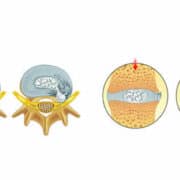
A disc bulge, or herniation, can occur when the spongy centre of the disc (nucleus) pushes out through the rubbery outer layer (annulus). Depending on the severity of the bulge, it can impact the nerve roots in the spinal cord, which can cause nerve pain and paraesthesia.
How Likely Am I to Get a Disc Bulge?
While herniated discs can occur anywhere along the spine, a bulging disc in the lumbar spine (lower back) or cervical spine (neck) is the most commonly experienced. A mid-back disc bulge is not typical.
Disc bulges are most common among people between the ages of 30 and 50, and men are twice as likely to get a disc bulge as women. According to the American Academy of Orthopedic Surgeons, between 60% and 80% of people will experience low back pain at some point in their lives, and disc bulges are among the most common causes.
What Causes a Disc Bulge?
There are a few lifestyle-related risk factors that make you more likely to develop a disc bulge regardless of age or gender, although your risk does increase as you age due to disc degeneration.
Here are some factors that trigger disc bulges:
- Sitting for long periods in the same position
- Being overweight
- Lifting heavy objects
- Repetitive bending or twisting motions for work, sports, or hobbies
- Smoking
- Degenerative Disc Disease, which causes disc collapse over time
Can a Bulging Disc Be Fixed?
Treating a disc bulge is essential so it does not get worse. Here are 4 ways to treat your disc herniation depending on its stage.
- Home treatment – During the early stages, you can try some home remedies, from disc bulge exercises to heat therapy and adjusting how you sleep. A warm bath with Epsom salt can help relax and soothe sore muscles. If you’re in significant pain, skip the heat and try ice to help numb the area instead.
- Disc bulge exercises – While exercises alone won’t fully treat a herniated disc, they can act as a preventative measure and strengthen your lower back and core over time. Gentle activities recommended by a chiropractor can strengthen the muscles supporting the spine, reduce pressure on the spinal column, and improve flexibility – all of which help lower the risk of a recurrent disc bulge. Visit our home exercises page for guided options.
- Chiropractic care – A chiropractor can help you identify the root cause of your disc bulge and set you up with a rehabilitation plan tailored to your personal needs and goals. This may include treatments like spinal decompression alongside guidance on movement and nutrition.
- Massage therapy – Whether with a physical therapist or a registered massage therapist, massage can promote relaxation and muscle health. Always confirm with your treating practitioner that massage is appropriate for your current condition before proceeding.
Signs You Should See a Chiropractor in Victoria
You can try to address a disc bulge at home in the early stages, but there are clear signals that it’s time to see a professional. Book an appointment if any of the following apply to you:
- Your pain interferes with daily activities – if you can’t get out of bed, walk comfortably, or get to work, it’s time to seek care. Pain medication and non-surgical treatments may be recommended.
- Your symptoms aren’t improving – if home exercises and rest aren’t providing relief after a reasonable period, see a specialist. You may be referred for an MRI before a treatment plan is made.
- You develop loss of bladder or bowel control – this can indicate the disc is compressing nerves that control bladder and bowel function. This requires prompt medical attention and may indicate a need for surgical intervention such as a discectomy or spinal fusion.
- You notice tingling, numbness, or weakness in your arms, hands, legs, or feet – these are signs of nerve involvement from the disc bulge. Spinal injections such as epidural steroid injections are one treatment option your physician may discuss with you.
- You have trouble standing or walking due to muscle weakness or leg pain – a disc bulge that affects your ability to move is affecting your quality of life. A chiropractor or specialist can help you get back on track.
What Can You Expect From a Chiropractor at Mind Body Spine?
Seeing a chiropractor is a good starting point because it helps you get to the root of what’s going on. At Mind Body Spine, I work with each patient to diagnose the issue, provide hands-on care, and make sure your spine is progressing toward health rather than worsening.
For disc-related concerns, care may include spinal decompression, targeted exercises, and guidance on posture, nutrition, and daily movement. Every treatment plan is tailored to your personal needs and goals.
I’ve been working with patients across Victoria – from Saanich and Oak Bay to Langford and beyond – who came in uncertain and left with a clear path forward. Whether your disc bulge is in its early stages or has been an issue for a while, it’s never too late to get to the bottom of it.
Frequently Asked Questions
- Can a disc bulge heal on its own without treatment?
In mild cases, a disc bulge can improve with rest, gentle movement, and time. However, without addressing the root cause, the problem is likely to recur. A chiropractor can help you understand whether conservative home care is appropriate or whether professional treatment is needed to prevent the condition from progressing.
- How long does it take to recover from a disc bulge in Victoria?
Recovery time varies depending on the severity of the bulge and how quickly you begin treatment. Many patients see meaningful improvement within 6 to 12 weeks of consistent conservative care, which may include chiropractic adjustments, targeted exercises, and lifestyle changes. More severe cases may take longer.
- Is spinal decompression effective for disc bulges?
Spinal decompression is one treatment option used for disc-related pain. It works by gently stretching the spine to reduce pressure on affected discs. At Mind Body Spine, spinal decompression therapy is offered as part of a broader treatment plan, and whether it’s appropriate for your situation is something we’d assess together during your first visit.
If you’re dealing with a disc bulge or ongoing back pain and want to get back to doing what you love, I’d be glad to help. At Mind Body Spine in Victoria, I work with patients across Greater Victoria – Saanich, Oak Bay, Langford, Colwood, and beyond – to find the root cause of their pain and build a plan to address it. Call us today at 250-885-2320 or contact us online to book your first visit.